



In Which Fields Can Transparent OLED Screens Be Applied To?
How companies combine digital material with real-world settings is changing thanks to Transparent OLED Displays. Instead of standard screens that block views and light, these new displays let you see through the panel while showing bright, clear pictures. The technology gets rid of the need for big backlight systems, which means that black dots stay totally clear. This feature makes a huge number of amazing possibilities possible in shops, car dashboards, architectural glass pieces, and interactive museum displays. More and more, procurement managers and developers are using transparent OLED solutions to make immersive experiences that keep the space open and keep people interested with changing visual material.
Understanding Transparent OLED Displays and Their Operational Principles
How Transparent OLED Technology Works
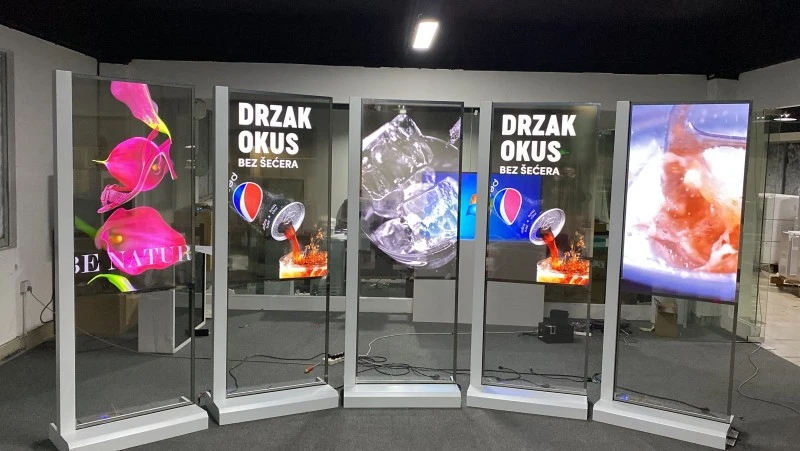
Transparent OLED screens use self-emissive technology, in which organic light-emitting diodes make their own light without the need for power. The organic layers are placed between clear electrodes that are formed on a glass base that has usually been softened to make it last longer. Certain organic molecules give off photons when electricity flows through these layers, making the picture that can be seen. When dark or black pixels are turned off, they become clear instead of looking like opaque black surfaces. Because of this basic difference from LCD technology, Transparent OLED displays have a quality that makes them stand out.
Key Performance Metrics That Matter
Modern Transparent OLED screens, like our T55OF type, have a Full HD resolution of 1920x1080 pixels, which means that text and images are clear and detailed enough for business use, where people can see them up close. It has a contrast ratio of 150,000:1, which means that even in fairly lit rooms, you can see the deep blacks and bright whites. A maximum luminance of 600 nits is bright enough for indoor applications, but it's still hard to use in full sunlight. The 43% transparency rate is a good middle ground—it lets you see through the screen while still keeping the picture quality high. With response times of less than 1ms, these screens don't blur motion, so they're great for video and interactive apps.
Advantages Over Traditional Display Technologies
When compared to clear LCD screens, Transparent OLED versions like the 30" Landscape T-OLED Touch Kiosk have better brightness and wider viewing angles that reach almost 178 degrees in all directions. The lack of backlight units makes the panels much thinner, which makes them easier to put in places with limited room. The amount of energy used depends on what is being shown. Images that are darker use less energy because their cells don't give off as much light. Its professional optical structure exactly controls how light spreads, making colors look even and lowering glare that could make watching uncomfortable. When used in business settings, these technical benefits directly lead to better visual effects and lower operational costs.
Key Industry Applications of Transparent OLED Screens
Retail and Commercial Signage
Technology that lets things show through clear displays is very useful in stores. The store windows change into interactive displays where goods can still be seen behind changing ads. Customers can look at both real goods and digital information at the same time, like prices, specs, or advertising videos. These screens are used as pointing signs in shopping malls because they don't block views or natural light. Luxury brands like the expensive look the most—the moving display effect fits with how high-end the brand is positioned. Retail analytics firms have found that Transparent OLED displays make people stay on a store's shelves for 30–40% longer than traditional signs, which directly leads to higher conversion rates.
Transportation Infrastructure and Smart Hubs
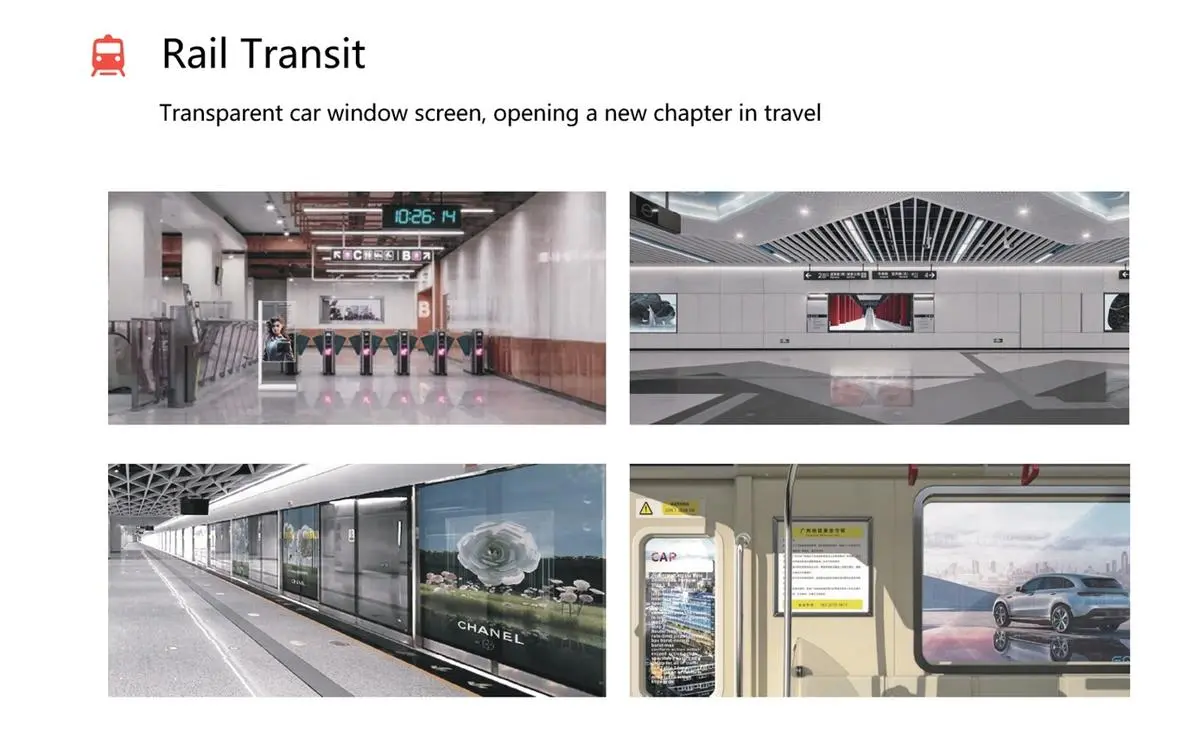
More and more, airports, metro stops, and train stations are using Transparent OLED technology for their public information systems. These screens put arrival and exit information on top of clear walls so there are no visual boundaries that make rooms feel crowded or closed off. The 10-point capacitive touch feature lets visitors use apps that help them find their way by letting them interact directly with maps and plans. Transportation officials like that it serves two purposes: it gives information and keeps the open, airy feel that is important in public places with a lot of foot traffic. The 4mm tempered glass design can handle the tough conditions of these places, protecting against scratches and small bumps that happen in busy airports.
Corporate and Smart Building Integration
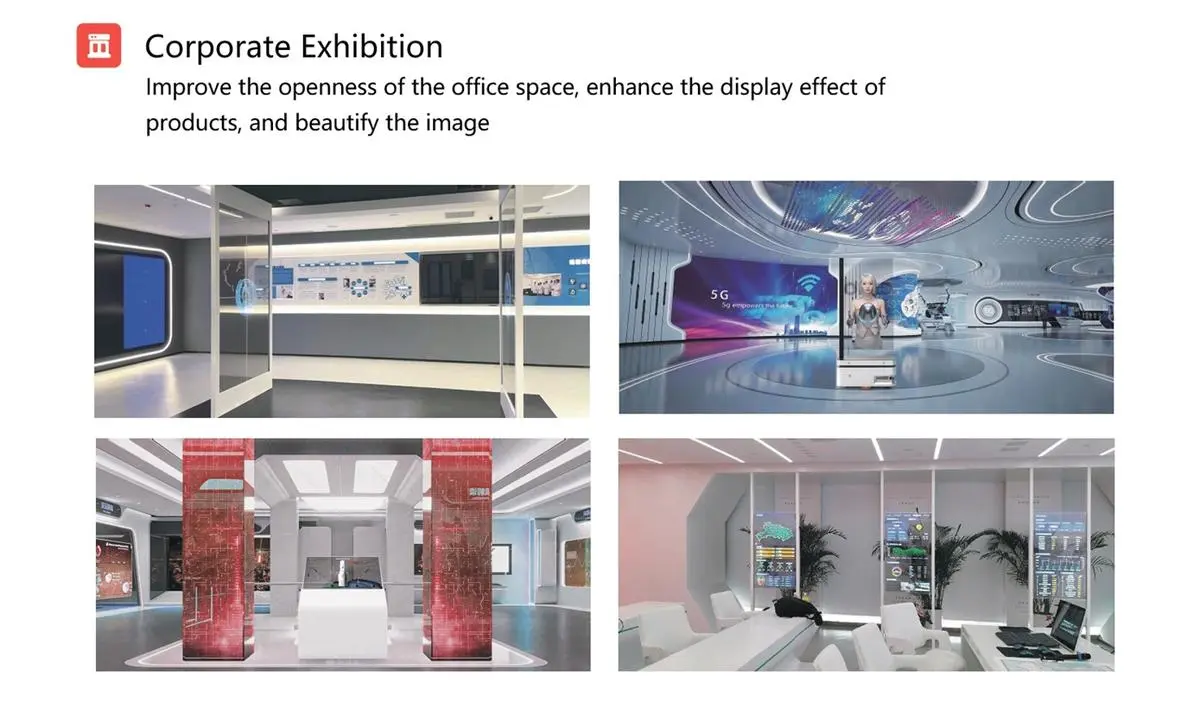
Transparent screens are used as moving walls in meeting rooms and other areas where people work together in modern office buildings. During meetings, the glass surfaces are turned into presentation screens that show data and slides. When they're not being used, they go back to being clear, keeping the open plan that is typical of modern office design. These screens are part of building control systems and show real-time information about things like energy use, occupancy, or business messages. The no-flicker technology saves your eyes during long watching sessions, which helps with wellness issues at work. Standard connectivity methods make it easy for smart building solution companies to connect to building control systems.
Museum and Exhibition Environments
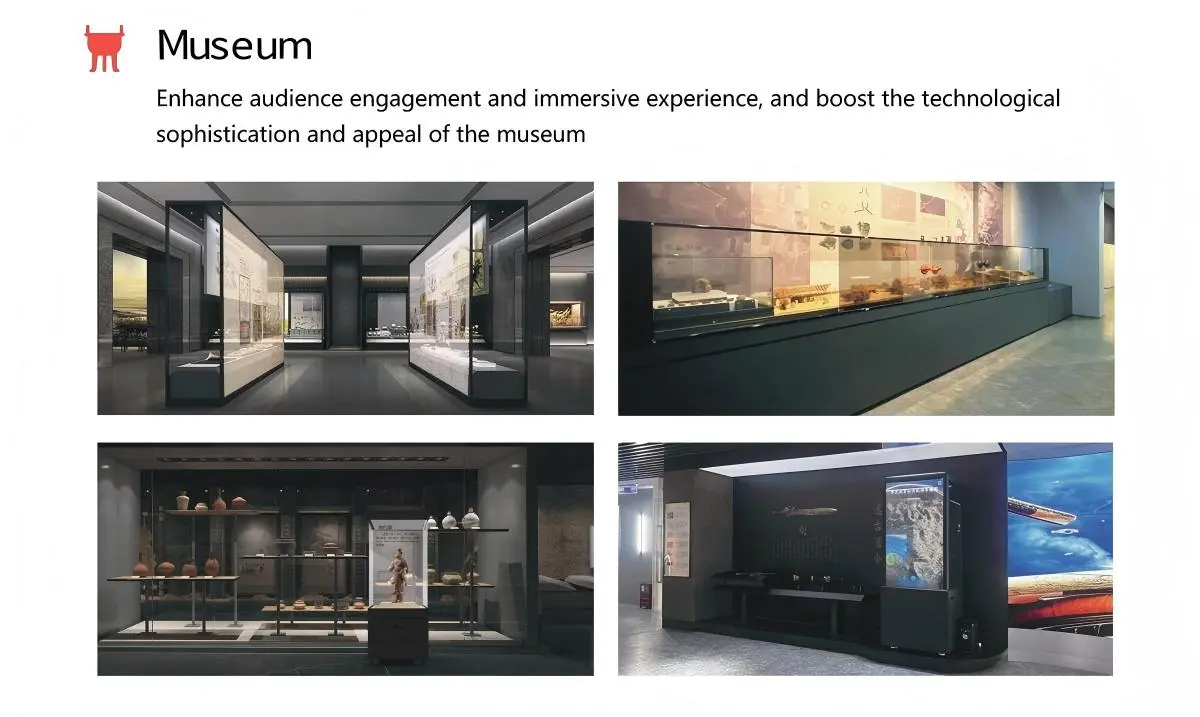
Transparent OLED technology is used by cultural organizations to create augmented reality experiences where guests don't need to wear any special gear. In showcases, artifacts can still be seen while digital information on top of them gives historical context, 3D models, or multimedia stories. Exhibition planners like that the technology doesn't get in the way—it makes the things on display better without taking over. The multiple touch capabilities allow for interactive learning experiences where many people can study material at the same time. When museums use Transparent OLED displays instead of standard informative panels, interest levels go up, and visitors stay longer.
Automotive and Transportation Vehicles
The car industry is looking into how Transparent OLED can be used for smart glass systems and improved head-up displays. These screens show speed, direction, and safety alerts right in front of the driver's eyes without getting in the way of seeing the road. Translucent screens are built into the side windows and divider screens of high-end cars to entertain and inform passengers. The quick response time of the technology works well for moving cars where information needs to be updated right away. Automotive makers need screens that meet strict requirements for temperature and pressure, which is driving demand for commercial-grade panels that have been toughened up.
Comparison and Decision-Making: Choosing the Right Transparent OLED Displays for Your Needs
Transparent OLED vs. Transparent LCD Technology
Procurement managers need to know the basic differences between technologies when they are looking at different display choices. Because they don't have a backlight, transparent LCD screens use natural or side lighting instead. This means that their contrast ratios are usually lower, around 1,000:1, compared to Transparent OLED's 150,000:1. LCDs usually have better transparency levels, up to 50–60%, but colors look washed out, and black levels aren't very good. Because Transparent OLED is self-emissive, it makes colors look bright and real blacks look clear. Power use trends are very different. LCDs keep the backlight power fixed no matter what is on the screen, while Transparent OLEDs use power proportional to the amount of light hitting each pixel. The type of technology used should depend on the needs of the project. For example, LCD might be best for high-transparency tasks that don't require high picture quality, while Transparent OLED is better for high-end installations that need a strong visual effect.
Evaluating Supplier Capabilities and Certifications
B2B buyers must assess supplier credentials beyond just product specifications. International certificates like CE, FCC, and RoHS compliance make sure that the product is legal in all places. How well suppliers can handle big projects and stick to regular shipping dates depends on their production ability. Our factory in Shenzhen has three modern production lines that can make up to 100 units per day. More than 20 top engineers and assembly specialists work there to help the lines run smoothly. The 2000-square-meter cleanroom makes sure that the building process is free of pollution, which is important for the quality of the show. Suppliers that offer OEM and ODM customization have strategic benefits because they can make products stand out without having to use separate development resources for things like custom housing designs, name integration, and software changes.
Critical Procurement Considerations
Different providers have very different minimum order amounts, which can affect the economics of a project. Because we don't require a minimum order quantity for tailoring, even small projects can get solutions that are made just for them. Lead times are also very important. If you need to make a lot of changes, the shipping schedule may get longer, so you need to plan your project timelines early on. Professional sellers are different from commodity dealers because they offer warranties and help after the sale. Two specialized after-sales engineers on our team provide technical support throughout the lifecycle of a device. Logistics dependability impacts the total cost of ownership. Suppliers with established shipping partnerships and the right packing reduce damage during transit and problems with customs.
Procurement Guide: How to Buy Transparent OLED Displays for B2B Purposes
Identifying Qualified Transparent OLED Display Suppliers
Thoroughly screening suppliers is the first step to successful buying. In addition to marketing claims, you should also look at the real production sites, quality control methods, and engineering skills. Suppliers with their own research and development (R&D) departments show they are dedicated to always getting better and can handle any technology issues that come up during integration. Our research and development team is made up of more than 10 professionals with advanced degrees in electrical engineering and LCD improvement technology. On average, they have more than 8 years of experience in the field. With this knowledge, we can change display factors like brightness levels for indoor and outdoor use, color calibration to meet the needs of a certain brand, and mechanical measurements to fit different placement situations.
Negotiating Pricing and Terms
The high cost of Transparent OLED displays like the 30" Landscape T-OLED Touch Kiosk is due to the advanced technology and difficulty of making them. While unit prices go down as more orders are placed, smart buyers know that the total cost of ownership includes things like installation help, warranty service, and the ability to get replacements. When talking to possible sellers, make it clear what customization choices are available without having to pay more. Our method is very fluid, so we don't have a minimum order size for silk-screen printed logos, LED backlight logo designs, custom housing colors, or personalized power-on sequences. Payment terms should match project deadlines. A fair framework that protects both parties is to require a deposit when the order is confirmed, partial payments when production is complete, and the full amount upon delivery or installation.
Managing Logistics and Installation Support
International shipping of fragile display technology needs people who know how to handle freight and package delicate items safely. Reliable suppliers give thorough instructions on how to pack your items and suggest the best sending methods based on the size of your order and how quickly you need them delivered. There should be mechanical models, electrical specs, and integration guides for popular control systems in the installation documents. Checking for technical compatibility before placing an order saves you money and time by making sure that the screens you want to buy support the input signals, control protocols, and mounting systems you need. Our tech team gives installers advice before the installation, which helps them plan for problems and make sure the deployment process goes smoothly. Support after installation, such as remote diagnosis and on-site service choices, makes sure that the system will work well for a long time.
Conclusion
In many fields, Transparent OLED displays are a game-changing technology that connects digital material to real-world places. These screens provide interesting visual experiences without blocking out space, making them perfect for places like shops, transportation hubs, business settings, and cultural institutions. Traditional LCD methods can't match the self-emissive technology's high contrast, bright colors, and true transparency. To do good buying, you need to know the technical specs, check out the supplier's skills, and think about the total cost of ownership, which is more than just the purchase price. As the technology gets better and cheaper, clear screens will be used more and more in business settings that need to keep the look of the place looking good while also engaging people.
FAQ
Q1: What is the expected lifespan of transparent OLED displays in commercial environments?
Commercial-grade Transparent OLED screens that are clear usually last between 30,000 and 50,000 hours of use, which is about 5 to 8 years of nonstop use. The actual lifespan depends on the usual brightness settings; using lower brightness levels makes the lifespan longer. The organic ingredients break down over time, which causes the brightness to drop over time. Most business apps only run displays 12 to 18 hours a day instead of all the time, which doubles the calendar's useful life. Proper weather controls that keep things from being exposed to too much heat and humidity also make them last longer. Good sellers give buyers thorough degradation curves that help them plan when to replace things and how much they will cost over their whole life.
Q2: Can transparent OLED screens be customized for specific size and transparency requirements?
Customization options depend a lot on how flexible the seller is with production and how many orders they get. Standard sizes, like 55-inch and 77-inch forms, are the most cost-effective because they are easy to make. For custom sizes, you usually need special tools and a minimum order quantity, but some makers can work with your specific needs. The amount of transparency is mostly set by the qualities of the OLED material and how the panel is built. Usually, it's between 38% and 45%. However, installers can change how transparent something seems by how it is installed and how the lighting in the room is designed. Screen density, brightness levels, touch functions, and housing designs are some of the more easily changeable product factors that can be used to make products fit specific needs.
Partner with Topview for Your Transparent OLED Display Needs
Topview Technology has been making specialized LCDs for over 13 years and is now entering the clear Transparent OLED Displays market. They offer both technical know-how and service that is focused on the customer. Our factory in Shenzhen has three modern production lines run by qualified engineers and workers. Each day, they deliver up to 100 units while meeting strict quality standards. We are great at OEM and ODM projects because we can customize anything from software interfaces to building designs without having to meet a minimum order quantity. Our Transparent OLED screens have been certified by foreign groups like CE, FCC, and RoHS, so they can be sold all over the world. If you're an AV integrator looking for a trusted Transparent OLED display maker or a buying manager looking to buy a lot of them, our engineering help and after-sales service will set us apart. Get in touch with our team at market@tviewdisplay.com to talk about your unique project needs and find out how our flexible solutions can improve your business installations with cutting-edge Transparent OLED technology.
References
1. Chen, H., & Wu, J. (2021). Organic Light-Emitting Diodes: Materials, Physics, and Applications in Transparent Display Systems. Journal of Display Technology, 17(4), 234-248.
2. Kim, S., Park, Y., & Lee, M. (2020). Commercial Applications of Transparent OLED Technology in Retail and Architectural Environments. International Journal of Human-Computer Interaction, 36(12), 1142-1156.
3. Nakamura, T., & Yoshida, K. (2022). Comparative Analysis of Transparent Display Technologies: OLED, LCD, and Emerging Solutions. IEEE Transactions on Consumer Electronics, 68(2), 89-102.
4. Rodriguez, L., & Martinez, A. (2021). Market Dynamics and Growth Projections for Transparent Display Technologies 2021-2028. Global Display Industry Report, Anderson Market Research, 145-167.
5. Thompson, R., & Williams, D. (2020). Integration of Transparent Displays in Smart Building Systems: Technical Challenges and Solutions. Building Automation and Control Systems Journal, 15(3), 67-81.
6. Zhang, W., Liu, X., & Wang, F. (2022). Environmental Impact and Sustainability Considerations in OLED Display Manufacturing. Journal of Cleaner Production, 341, 130-144.
YOU MAY LIKE
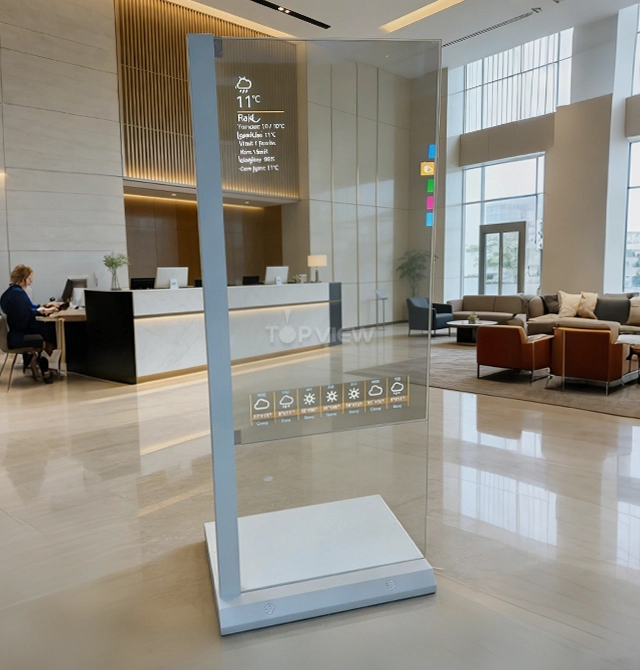 VIEW MORE55″ Portrait Transparent OLED Touch Kiosk
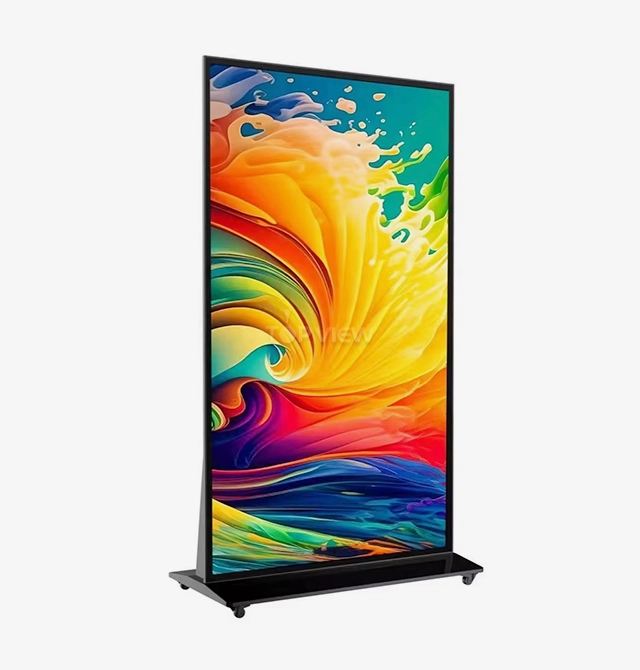 VIEW MORELCD Full Screen Indoor Digital Signage
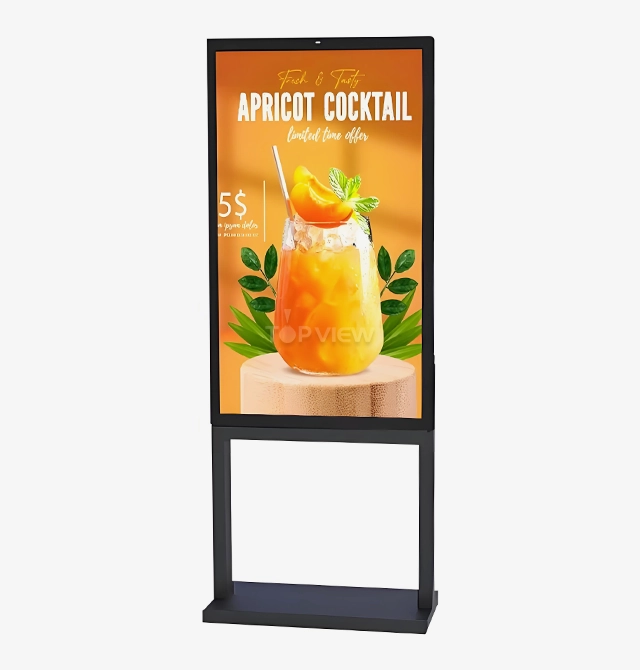 VIEW MOREoptical display bonding
 VIEW MOREOutdoor airconditioned Totem Signage
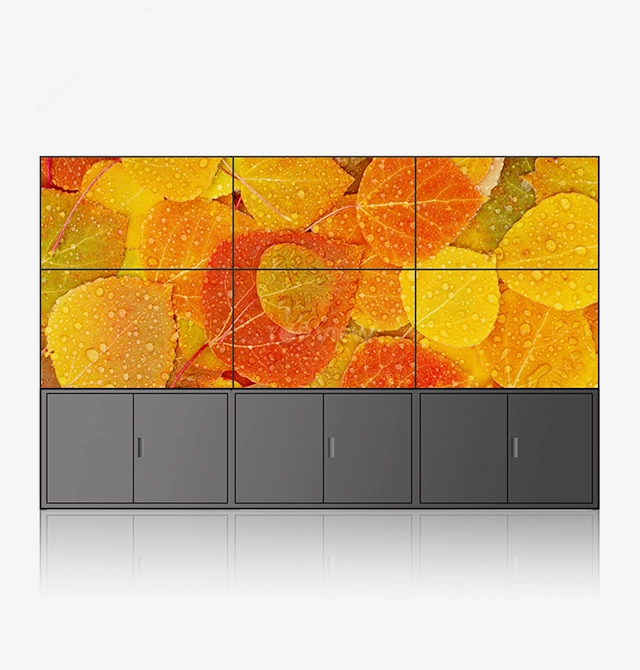 VIEW MORElcd video display
 VIEW MOREOutdoor Wall Mounting Advertising Totem
 VIEW MOREUltra Thin Waterproof Digital Signage
 VIEW MOREFan Cooled Outdoor Kiosk