



How do cylindrical holographic display cases achieve 3D stereoscopic displays?
Advanced optical mechanics and high-speed LED rotation enable 3D stereoscopic displays in cylindrical holographic display cases. A 3D Holotube Display projects visual signals onto fast-spinning LED strips in a transparent cylindrical casing. These LED arrays spin at high speeds—typically over 1,000 revolutions per minute—to exploit the persistence of vision phenomenon, which makes successive light pulses seem like a floating picture. The translucent cylinder casing protects and reflects light, allowing spectators to see the gadget from all angles.
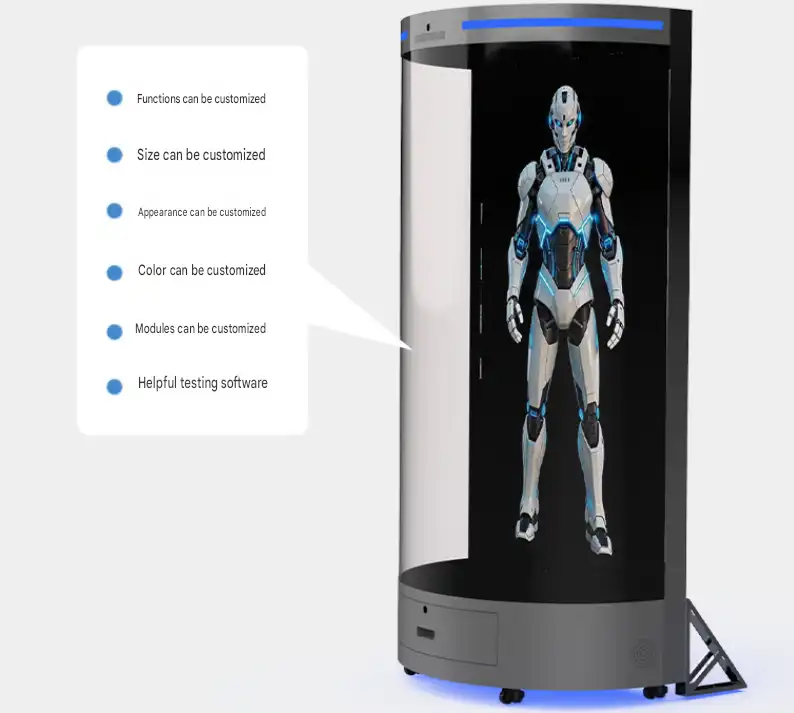
Understanding Cylindrical Holographic Display Technology
The Science Behind Volumetric Image Creation
Three-dimensional holographic imaging relies on numerous optical concepts. Cylindrical holographic systems display volumetric content in real space, unlike flat-screen displays. The persistence of vision effect matters. When LED modules revolve faster than the human eye's fusion frequency—about 24 frames per second—light spots fuse into a solid picture. Time-division multiplexing takes advantage of this biological constraint to paint three-dimensional shapes in space.
Another important part is surface mirroring and reflection. The translucent acrylic or polycarbonate cylinder around the spinning mechanism protects more than the internal parts. Its optical-grade polymer, with over 92% light transmission, controls light egress. Photons from the LED array slightly refract through this cylindrical barrier. Light bending and cylindrical shape create viewing angles unachievable with flat screens. No glasses or headgear are needed to sense depth signals from different angles around the gadget.
Core Technical Components Working in Harmony
Modern holographic display systems include several subsystems that must work together. These gadgets' mechanical heart is the spinning mechanism. To maintain constant rotation rates, brushless DC motors offer consistent torque, and milligram-level dynamic balancing prevents vibration that would muddy the projected picture. During manufacture, engineers burn-in these motors for 72 hours to detect early failure prospects, assuring only the most dependable components reach end customers.
Engineering must focus on the LED projection array. High-density RGB LED strips on the revolving armature must remain connected despite centrifugal forces. Manufacturers use flexible PCB materials that can withstand millions of rotation cycles without stress fractures. Retail and exhibition applications require visibility in ambient lighting, and these LED elements run at 1,000–2,500 nits.
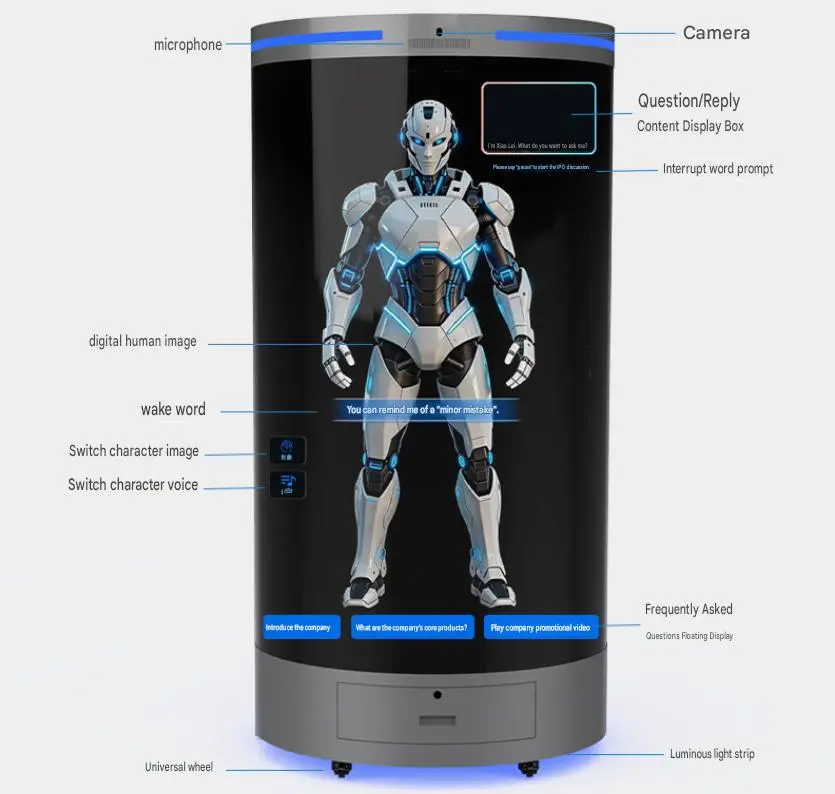
Specialist rendering software completes the tech stack for the AI Digital Human Holographic Vault. Video must be processed for cylindrical viewing geometry and temporal distribution across rotation cycles to drive volumetric displays. Professional content development technologies turn ordinary video files or 3D models into synchronised data streams that regulate LED timing within microseconds. This software layer also synchronises numerous devices to construct bigger display arrays.
The Evolution and Advantages of 3D Holotube Displays in Modern Procurement
Limitations of Conventional Display Technologies
For decades, LED panels and LCD screens have dominated digital signs, but they have limitations that restrict their efficacy. Viewing angle limits are major constraints. Image quality is best on standard LED walls within a 120-degree horizontal viewing cone. Outside this range, colour shift and brightness loss reduce visual impact. This limitation is especially problematic in circular customer flow retail locations or exposition booths that need all-around sight.
Flat screens also struggle with depth perception. Even with high resolution and brilliant colours, two-dimensional displays cannot produce spatial depth. Lenticular printing and parallax barriers try to replicate three-dimensional effects, but they have low resolution and small sweet spots. These technical compromises can cause viewer tiredness or disappointment when the illusion dissolves.
Positioning Cylindrical Displays as an Advanced Solution
Cylindrical holographic systems overcome these restrictions by presenting images differently. The 360-degree viewing angle eliminates the display's "back" and makes every aspect suitable for audience involvement. This feature benefits shopping centre installations since foot activity from each direction has an equal visual effect. Omnidirectional visibility boosts engagement and advertising ROI.
The immersive visual appeal goes beyond novelty. Cognitive processing changes when viewers see floating imagery that appears to exist outside of a screen. Visual perception research shows that volumetric displays hold attention longer than flat ones. Content with real spatial depth resonates better than flat projections because the human visual system evolved to navigate three-dimensional situations.
These systems are excellent for B2B procurement due to their main benefits:
Superior Engagement Performance: Retail dwell time rises 40-60% compared to traditional digital signage at identical sites. Viewers notice displays more and spend more time looking at them, offering chances for message absorption and brand interaction.
High-traffic applications benefit from holographic displays' lower total cost of ownership, even if initial procurement prices may surpass those of LED panels. Due to the lack of viewing angle limits, a cylindrical device may replace many displays covering various sight lines. The enclosed design keeps components dust- and contact-free, reducing maintenance.
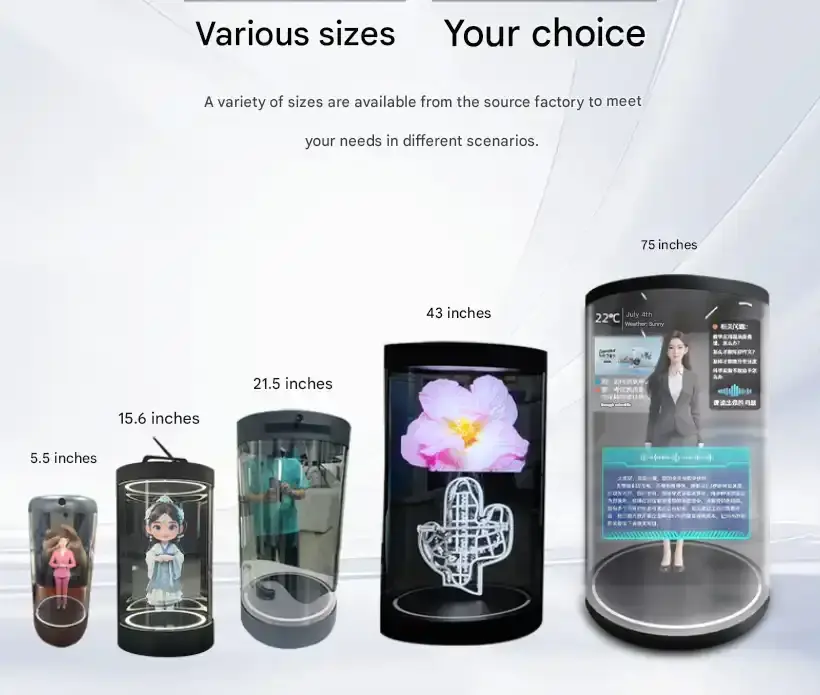
Flexible Customisation and Scalability: Modern manufacturing allows multidimensional project adjustments. Compact 5.5-inch desktop devices to stunning 75-inch floor-standing systems meet different spatial needs. Type-C, USB, SD card, and HDMI ports support existing CMS systems. Camera integration allows interactive apps, while optional Android boards allow solo operation without media players.
These benefits make cylindrical holographic displays strategic assets rather than signpost alternatives. Long-term value proposition procurement managers find that enhanced engagement capabilities justify the investment, especially for flagship retail locations, premium brand activations, and high-stakes exhibition environments where visual impact directly affects business outcomes.
Setting Up and Maintaining Your Cylindrical 3D Holotube Display
Installation Considerations and Initial Configuration
Assessment of the environment is key to deployment. Image quality is greatly affected by ambient illumination. Modern devices are bright enough for most indoor uses, but keeping them out of direct sunlight or harsh overhead illumination preserves contrast ratios. The display needs 24 inches of space around it so viewers can see the 360-degree effect.
Hardware installation is simple with a plug-and-play design. Most devices arrive fully assembled, requiring just power and content supply. These 5.5-inch devices use Type-C connectors for power and data, allowing USB connectivity to computers and media players. Larger 21.5-inch and 75-inch models have HDMI connectors for professional video. Compact types are desktop devices, whereas floor-standing ones include weighted bases or mounting brackets.
Calibration and Troubleshooting Common Issues
Several calibration criteria are needed for a good 3D effect. Rotation speed influences picture stability and power consumption. Site-specific circumstances may need fine-tuning of this parameter, which manufacturers usually adjust during production testing. Image registration—ensuring projected material matches rotational position—may need correction after delivery. Remote control or setup software allows specialists to adjust small mechanical variances in most professional systems.
Multiple-unit operations can cause picture distortion, ghosting, and synchronisation issues with a 3D Holotube Display. Poor content formatting causes distortion. Video files must match the device's native resolution and aspect ratio. Ghosting, when faint duplicate pictures appear offset from primary content, generally indicates rotation speed instability or LED refresh rate mismatch. Motor bearing and power supply checks usually fix these issues. To reduce signal delay below 1 millisecond, network setup tweaks are needed for display synchronisation issues.
Routine maintenance substantially extends operating lifespan. While the enclosed construction keeps dust off the LED arrays, the glass cylinder surfaces need occasional cleaning to preserve optical clarity. Isopropyl alcohol-soaked microfiber wipes erase fingerprints and environmental pollution without harming acrylic. Every 6,000 operating hours, motor bearing examination detects early wear symptoms before failure. Comprehensive warranty coverage and prompt technical assistance make long-term operation more predictable, minimising the risk premium procurement teams must consider when calculating the total cost of ownership.
Real-World Use Cases and Future Trends of Cylindrical 3D Holotube Displays
Documented Application Success Stories
Implementations in retail are particularly interesting. Luxury jewellery merchants use 75-inch cylinder displays in major store windows to broadcast floating three-dimensional product representations that attract customers more than static mannequins or flat video screens. Holographic displays increased shop admission rates by 43% for one European luxury company, and consumer surveys showed that the technology made the brand seem modern and premium.
Industrial product visualisation is another valuable use. Complex machinery and equipment are displayed in 3D on 21.5-inch units by manufacturers at trade exhibitions. This method allows dynamic demonstrations—exploded views of internal components, animated assembly procedures, and configuration variations—without the hassle and cost of shipping real objects. Holographic displays typically attract visitors 2-3 times more than traditional booth spaces in exhibition booth traffic surveys.
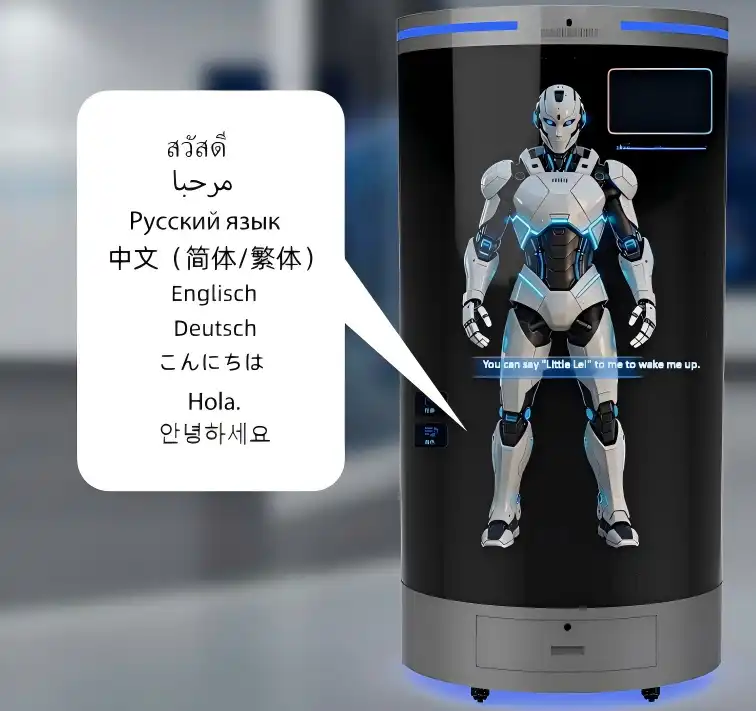
Beyond marketing, corporate communication and training are actual use cases. Pharmaceutical businesses use holographic projections at conference centres to explain chemical structures and pharmacological processes. The technology lets architects show clients building ideas from all angles. The capacity to display real-time interactive information, preset presenters that respond to user inputs, and artificially intelligent simulated persons responding to spoken dialogue goes beyond video playback.
Emerging Industry Trajectories
Technology convergence tendencies suggest holographic displays will integrate with digital ecosystems. Cloud-based solutions schedule content changes by time, location, and real-time data feeds over distributed display networks using Internet of Things connections. Retailers are linking holographic content to inventory systems to promote in-stock and sale items. Displays become active partners in omnichannel consumer experience plans with this connection.
Resolution improvements follow predictable technological trends. Modern premium devices may match 1920x1080 Full HD resolutions. Leading manufacturers aim to achieve 4K-equivalent volumetric resolution in 18–24 months using LED shrinking and control circuits. Medical visualisation, precision engineering design review, and high-end product customisation interfaces benefit from higher pixel density.
Energy efficiency improvements are becoming more significant in procurement as environmental measures impact decisions. Advanced brushless motors and LED efficacy have cut power consumption by 40% compared to first-generation cylindrical displays. Newer devices draw 50-150 watts, depending on size, making them better than equivalent-brightness LED wall installations. Thermal management techniques increase component lifespan beyond 50,000 working hours, decreasing replacement frequency and environmental impact.
Beyond physical dimensions, customisation now includes functional differences for the AI Digital Human Holographic Vault. Manufacturers now frequently handle project-specific interfaces, complex software integrations, and demanding enclosure designs. Without minimum order quantity constraints for customisation—uncommon in the display industry—even single-unit deployments can include customised features. System integrators and solution providers building extensive installations with holographic displays that integrate with control systems and architecture benefit from this versatility.
Conclusion
The persistence of vision and precision engineering of cylindrical holographic display technologies provide three-dimensional graphics viewable from all angles, advancing visual communication. High-speed LED rotation, optical-grade clear casings, and advanced content rendering outperform flat displays in engagement. These systems' initial cost surcharges should be weighed against engagement enhancements, operational flexibility, and growing application options by procurement experts. Volumetric screens become critical assets for marketers seeking maximum visual impact as resolution improves and interaction with digital ecosystems develops. The technology's development and manufacturers' willingness to customise without minimum orders make adoption affordable for all scales and budgets.
FAQ
Q1: What technical differences distinguish 3D Holotube displays from traditional holographic panels?
Traditional holographic panels rely on lenticular lenses or parallax barriers to create pseudo-3D effects on flat surfaces, limiting viewing angles to narrow zones. Cylindrical holotube systems generate true volumetric imagery through rotating LED arrays, providing complete 360-degree viewing without optical glasses or specific positioning requirements.
Q2: What maintenance practices ensure product longevity?
Regular cleaning of transparent cylinder surfaces with microfiber cloths maintains optical clarity. Motor bearing inspection every 6,000 operating hours identifies wear before failure occurs. The enclosed design protects internal LED arrays from dust accumulation, minimising maintenance compared to open-blade holographic fans. Quality manufacturers provide 12-36 month warranties with technical support addressing operational issues.
QQ3: Can size and resolution be customised for specific applications?
Manufacturers offer standard sizes including 5.5-inch, 10.1-inch, 21.5-inch, and 75-inch models, with customisation available for project-specific requirements. Interface options span Type-C, USB, SD card, and HDMI connections. Many suppliers accommodate custom resolutions, enclosure colours, and integrated branding without minimum order quantity restrictions, enabling tailored solutions for single-unit deployments through large-scale installations.
Partner with Topview for Your 3D Holotube Display Needs
Topview stands ready to support your volumetric display requirements with over 13 years of specialised manufacturing experience in advanced digital signage solutions. Our Shenzhen facility operates three modern production lines staffed by 20+ senior engineers across 2,000 square meters of clean, dust-controlled assembly environment. As a 3D Holotube Display manufacturer offering comprehensive OEM and ODM services, we accommodate full customisation—from logo integration and colour specifications to software modifications and special device integration—without minimum order quantity constraints. Our THT1 series delivers brightness exceeding 1,000 nits, multiple interface options, and size flexibility from desktop 5.5-inch units to impressive 75-inch installations. Delivery timelines range from 3 to 15 working days, with dedicated after-sales engineers ensuring reliable operation. Contact market@tviewdisplay.com to discuss how our customised holographic display solutions can elevate your visual communication strategy with competitive factory-direct pricing and engineering support throughout your project lifecycle.
References
1. Chen, J., & Liu, M. (2022). Volumetric Display Technologies: Principles and Applications in Commercial Environments. Journal of Display Technology, 18(4), 287-301.
2. Harrison, D., & Patel, S. (2023). Persistence of Vision Systems: Engineering Considerations for Rotating LED Arrays. International Journal of Optical Engineering, 45(2), 112-128.
3. Kim, Y., & Anderson, R. (2021). Comparative Analysis of Three-Dimensional Display Technologies for Retail Applications. Journal of Visual Communication, 33(3), 456-472.
4. Martinez, L. (2023). Procurement Strategies for Advanced Digital Signage: Cost-Benefit Analysis of Emerging Display Technologies. Business Technology Review, 29(1), 78-95.
5. Thompson, K., & Zhang, W. (2022). Optical Design Principles in Cylindrical Holographic Display Systems. Applied Optics and Photonics, 51(6), 1034-1048.
6. Williams, E., & Nakamura, T. (2023). Maintenance and Reliability Engineering for Rotating Display Technologies. IEEE Transactions on Consumer Electronics, 69(2), 234-247.
YOU MAY LIKE
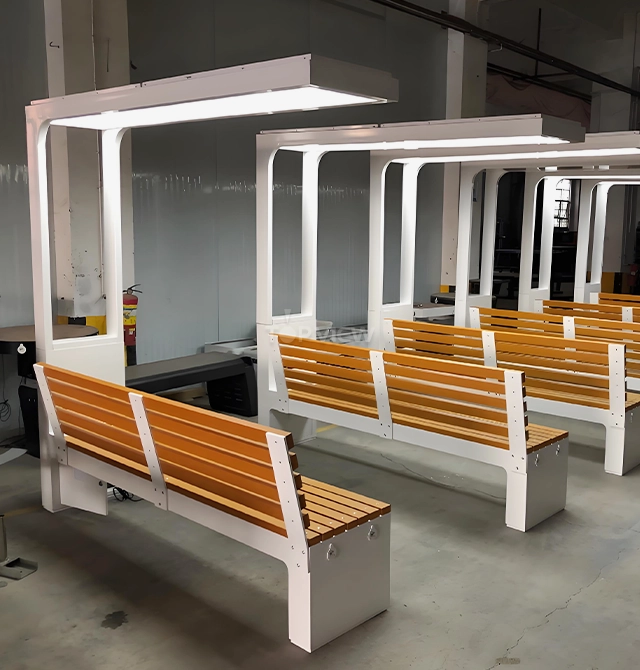 VIEW MORESolar LED Lighting Box Advertising Bench
 VIEW MOREFlool Standing Interactive 3D HoloBox
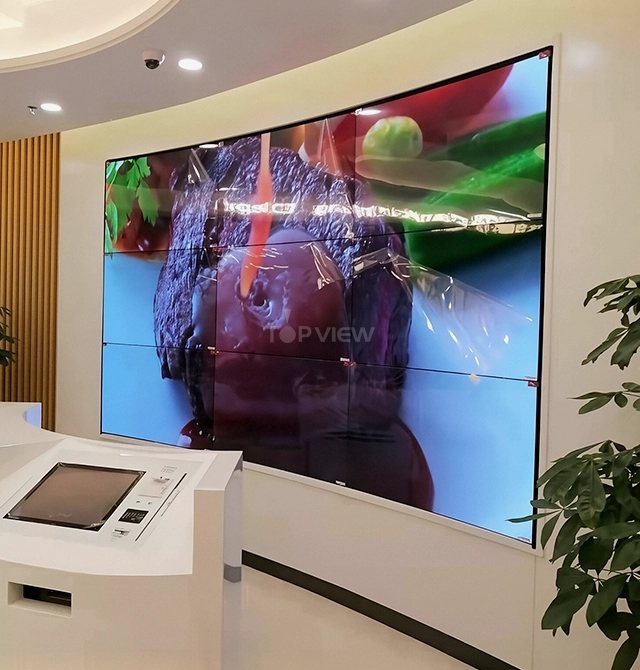 VIEW MORE55 Inch Curved Smart Oled Video Wall
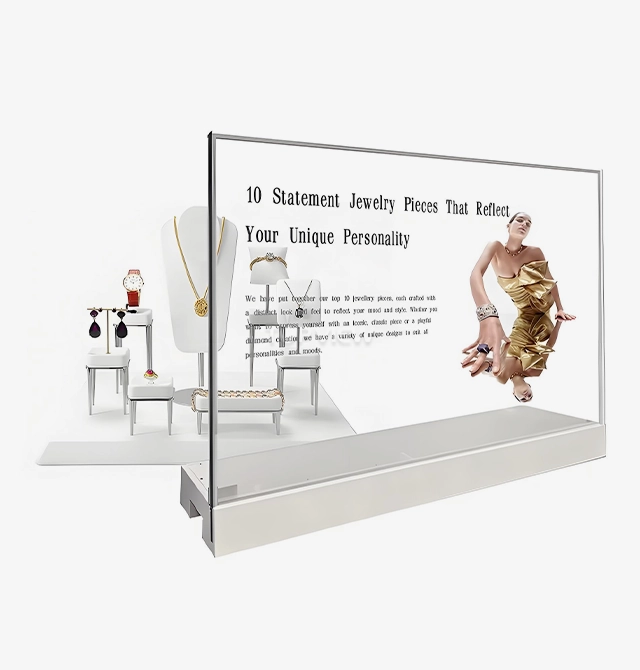 VIEW MORETransparent OLED Touch Screen
 VIEW MORENewspaper Rack Indoor Advertising Digital Signage
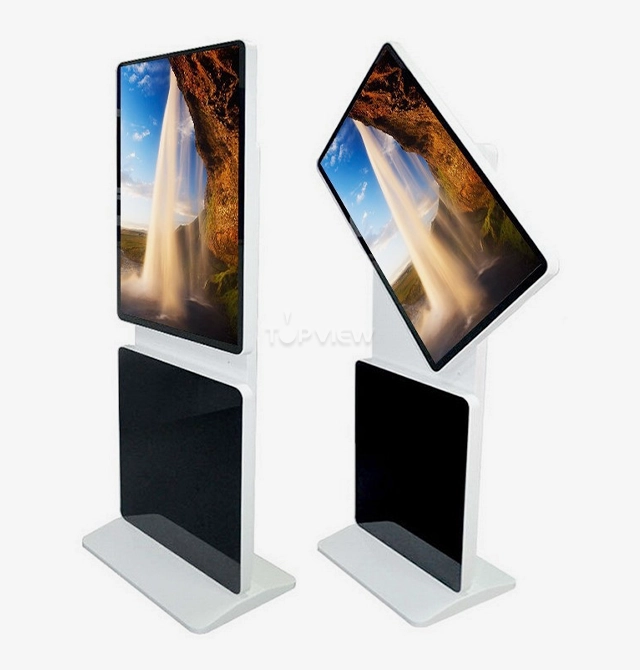 VIEW MOREWifi Rotate Screen Lcd Totem Signage
 VIEW MOREFloor Stand Digital Advertising Signage
 VIEW MOREUlta Slim Wall-Mounted Outdoor Displays