



Does optically bonded outdoor signage prevent condensation and moisture from entering the display?
The likelihood of moisture and humidity getting into the display is greatly reduced with optically bonded outdoor digital signage. This bonding approach replaces the air gap between the protective glass and the LCD screen with an optical-grade adhesive layer, which removes the internal cavity where moisture tends to accumulate. Traditional air-gap displays that allow humid air to flow within the enclosure might fog or suffer water damage over time. Optical bonding physically seals off that channel, and displays become more robust and dependable in damp, humid or temperature-variable outside situations.
Understanding Moisture and Condensation Issues in Outdoor Digital Signage
Why Outdoor Displays Are Vulnerable to Moisture
Outdoor display screens are at the mercy of the elements all the time. Even the tiniest of gaps will allow humid air to enter as the air within a display case expands and contracts with temperature variations from day to night. When the damp gets in it condenses on the cooler regions within, such as the LCD panel itself. This is what causes fog and corrosion.
The Hidden Damage Caused by Condensation
Condensation inside a digital sign isn’t simply about making the image hazy. Water droplets on circuit boards accelerate oxidation over time and hinder electrical lines and backlight parts. Outdoor LCDs get wet. According to a study published in the Journal of Display Technology, this is one of the top three reasons why outdoor LCDs fail too soon.
Why Conventional Sealing Often Falls Short
Many standard outdoor digital signage employ rubber gaskets and IP certified seals to prevent water ingress. These measures are beneficial but they only address the outside. Between the screen panel and the protective glass there is still a moisture trap. Gaskets do age and break down over time, especially after prolonged exposure to UV light, and lose their effectiveness, allowing water to slowly get into displays.
What Is Optical Bonding and How Does It Work in Outdoor Digital Signage?
The Core Technology Explained
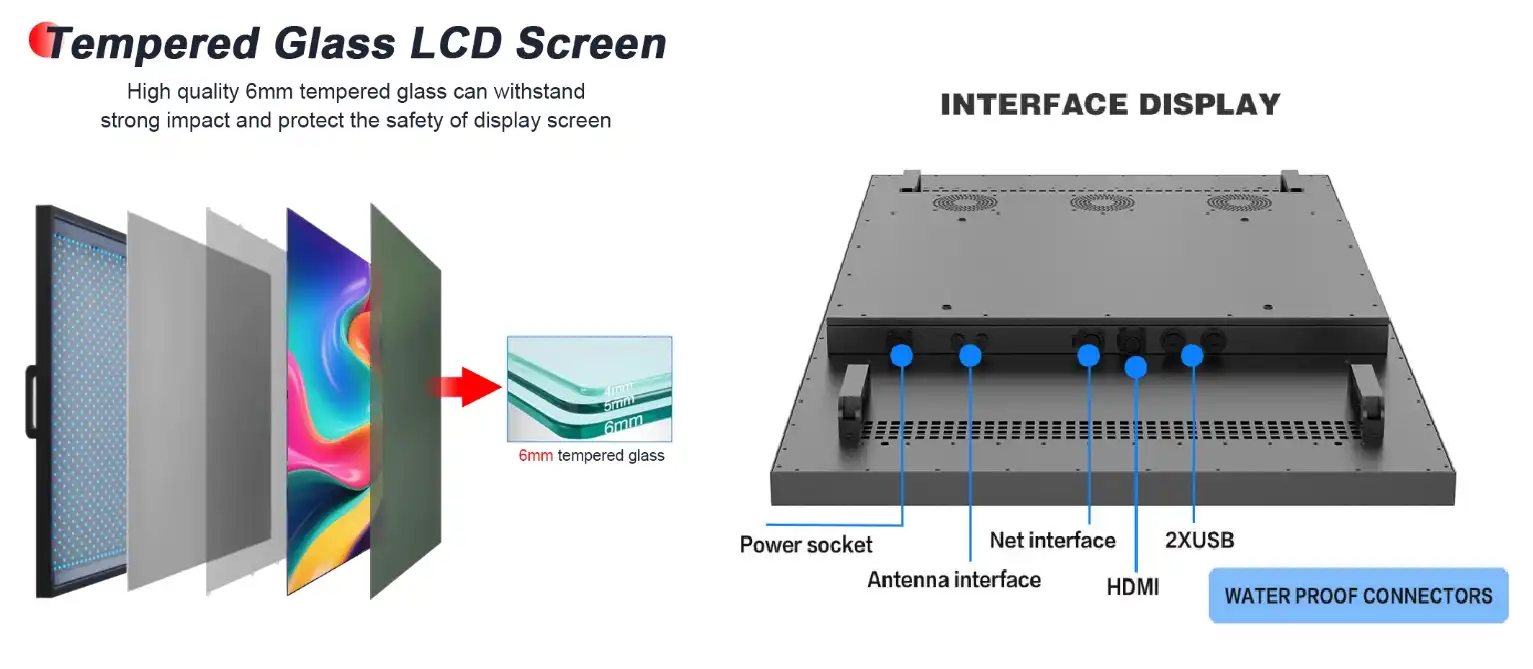
The space between the cover glass and the display panel is filled with a clear adhesive resin that matches the colors of the glass. This makes a single optical layer that is solid. There isn't a space in the air for moisture to live or a difference in temperature to cause condensation. These changes make the display work like a single piece instead of a layered assembly with open spaces inside.
How It Improves Visibility and Durability
Getting rid of the air gap also lowers internal reflections. It's no longer possible for light to bounce between two different surfaces. This means that even in full sunlight, clarity and contrast are kept. This visual clarity has a direct effect on how engaged viewers are and how well messages are delivered for procurement managers choosing displays for retail stores or transportation hubs.
The Role of AR Glass in Moisture and UV Protection
Optical glue and special cover glass are used together in high-performance outdoor signs. Topview's T32SO, T43SO, T49SO, and T55SO series use AR (anti-reflective) glass made in the US that is 6–10 mm thick, doesn't let UV light through, and blocks infrared light. Over 97% of light passes through this glass, and less than 3% is reflected. It also blocks 99.99% of UV rays from reaching the panel. Together with optical bonding, these qualities make a multi-layered defense against moisture and the surroundings.

Comparison: Optically Bonded vs. Traditional Outdoor Displays
Moisture Resistance Side by Side
For outdoor digital signage, there is a clear difference between these two design methods when it comes to how well they handle moisture. Optically bound units don't have any internal air space, while traditional air-gap screens let humidity get inside over time. In tests done in the field, air-gap displays fail much more often in high-humidity coastal environments within three years than bonded counterparts.
Here are the main changes in performance that buying teams should think about:
- Moisture ingress protection: Optical bonding eliminates the internal air cavity, removing the primary channel for condensation. Air-gap designs rely solely on perimeter seals that degrade with age and UV exposure.
- Brightness retention: Because there are no internal reflective surfaces, optically bonded displays maintain higher effective brightness — critical for sunlight-readable performance at 1,500–2,000 nits, as seen in Topview's industrial-grade series.
- Long-term maintenance cost: Bonded displays typically require fewer service interventions related to fogging and moisture damage, lowering total operational expenditure for facility managers and procurement directors.
These differences immediately lead to less downtime and a better return on investment over multi-year deployments, which is a big deal when making decisions about large purchases.
Initial Cost vs. Total Cost of Ownership
The price per unit of optically bonded displays is higher. But because they don't break down as often because of moisture, they often cost less over the course of three to five years because they don't need as many replacement parts or on-site service visits. This cost calculation is a normal part of the specification process for EPC contractors and project tender buyers who are in charge of big public advertising or government building projects.
Certification and Compliance Differences
Optically bonded units that are meant to be used in a business setting should have the right safety and compliance certifications. The outdoor monitor line from Topview is certified by CE, FCC, and RoHS, which means it meets international standards for environmental compliance, electromagnetic compatibility, and electrical safety. AV installers and procurement managers who work on government or public projects that need compliance paperwork should care about these licenses.
Installation and Maintenance Considerations for Optically Bonded Outdoor Signage
Professional Installation Matters
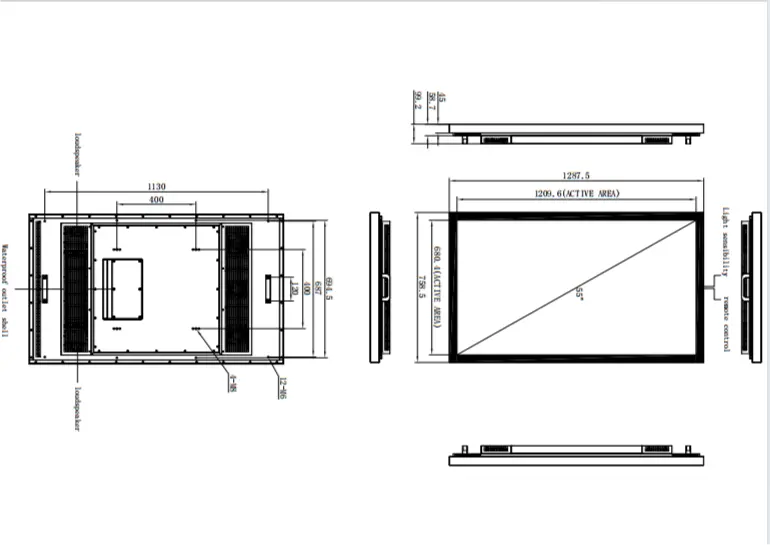
Optical bonding takes care of the internal display assembly, but the enclosure still needs to be properly set up. With an outdoor powder finish, the 1.5 mm galvanized steel cabinet used in Topview's solar-powered outdoor line has a shell life of more than seven years. If you mount, route, and seal the enclosure correctly during installation, the IP-rated protection that optical bonding needs will stay in place.
Routine Cleaning Without Damaging the Bond
Non-abrasive tools are needed to clean joined glass. Over time, harsh solvents can damage the layer of glue along the edges. Cleansers and cotton cloths suggested by the manufacturer protect both the AR layer and the bond. Cleaning on a regular basis keeps dirt from building up, which can blur images and trap heat against the glass.
Scheduled Inspection Protocols
Even well-built outdoor digital signage with optical linkage should be checked every so often. Problems can be found early by looking for edge delamination, seal wear around the cabinet, and any signs of darkening inside. Topview offers expert assistance for its display line for life, from installation to operation after the warranty period. This way, buyers can get help whenever problems arise in the field.
Practical Use Cases and Future Trends
Where Optically Bonded Displays Perform Best
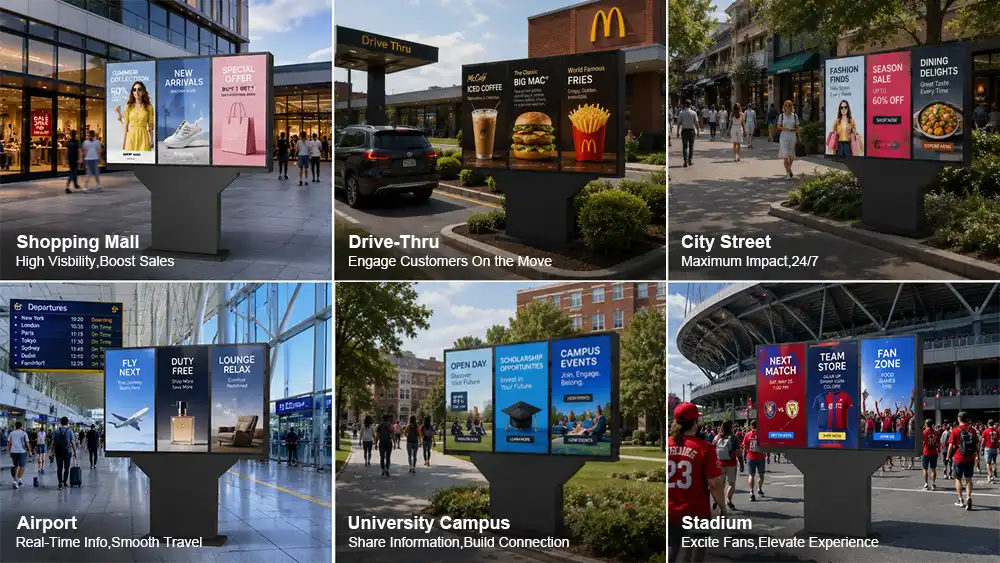
Optical bonding works really well in places with a lot of humidity or changing weather, like transportation hubs, shops, outdoor advertising buildings, and government information points. Topview's T32SO/T43SO/T49SO/T55SO solar-powered line works nonstop on solar energy without wiring and is perfect for outdoor setups that are far away and would be hard to reach for repairs due to moisture damage.
Emerging Materials and Smart Integration
Newer formulations of bonding resin can handle higher temperatures and last longer, and the technology behind them keeps getting better. Embedded network players, like the ones in Topview's series that support picture, video, and text formats over cable or offline storage, make it possible to manage displays and update content from afar, so site visits aren't needed as often.
Evaluating Suppliers for Long-Term Projects
When looking for optically bonded outdoor signs, buyers should check the supplier's production capacity, technical paperwork, and how quickly they respond to questions after the sale. Topview has a 2,000-square-meter factory in Shenzhen with three specialized production lines, more than 20 engineers, and the ability to make 100 units per day. The factory can meet OEM and ODM needs with a wait time of 5–15 working days.
Conclusion
For outdoor digital signage, by getting rid of the internal air gap where moisture gathers, optical bonding does stop condensation and moisture from getting into the display. It makes a display that works reliably in harsh outdoor conditions when combined with high-performance AR glass, IP-rated enclosures, and industrial-grade thermal management. When procurement managers, AV integrators, and project contractors look at long-term display investments, optically bonded designs lower the risk of failure, lower the need for upkeep, and ensure constant visual quality over multiple years of deployment.
FAQ
Q1: Does optical bonding truly waterproof a screen?
The space between the cover glass and the display screen is sealed by optical bonding, which stops condensation from building up inside. But full waterproofing also rests on the IP rating and quality of the seal on the enclosure. For full protection, the display cabinet needs to keep its IP65 or IP66 rating by being installed correctly and being checked on a regular basis.
Q2: What amount of brightness is needed for outdoor signs to be read in the sun?
According to industry standards, outdoor installations that will be in direct sunlight should have at least 1,500 nits. Topview's outdoor LCD series has 1,500–2,000 nits of brightness and auto-photosensitive adjustment, so it stays visible all day without any help from the user.
Q3: Can optically bonded displays operate in extreme temperatures?
Yes. Topview's industrial-grade LCD substrate handles an operating temperature range of -30°C to 110°C. The intelligent cooling system maintains internal cabinet temperatures between 5°C and 25°C, preventing blackening or startup failure even in harsh climates.
Q4: What certifications should I verify when sourcing outdoor displays?
For international B2B procurement, verify CE, FCC, and RoHS certifications as a baseline. These confirm electrical safety, radio frequency compliance, and restricted substances compliance — particularly important for government and public infrastructure projects.
Partner with Topview for Your Next Outdoor Digital Signage Project
From its factory in Shenzhen, Topview has been producing expert outdoor digital signage for more than 13 years. There is no minimum order quantity (MOQ) for customized orders, and the T32SO/T43SO/T49SO/T55SO solar-powered series offers 1,500–2,000 nits of brightness, CE/FCC/RoHS certification, military-grade heat dissipation, and lifetime technical support. Topview ships all over the world within 5–15 business days using EXW, FOB, or DDP terms. They are a trusted outdoor digital signage manufacturer. To get a price, email our team at market@tviewdisplay.com.
References
1. Journal of Display Technology — "Failure Analysis of LCD Panels in Outdoor Environments," 2019.
2. Society for Information Display (SID) Digest — "Optical Bonding Methods for High-Brightness Outdoor Displays," 2020.
3. Digital Signage Magazine — "Protecting Digital Displays from Environmental Damage," 2021.
4. IEC 60529 Standard — "Degrees of Protection Provided by Enclosures (IP Code)," International Electrotechnical Commission, 2022.
5. AVIXA (Audiovisual and Integrated Experience Association) — "Outdoor AV System Design Guidelines," 2021.
6. Frost & Sullivan Research Report — "Global Commercial Display Market: Technology Trends and Procurement Drivers," 2023.